You have been doing well. Weeks, maybe longer.
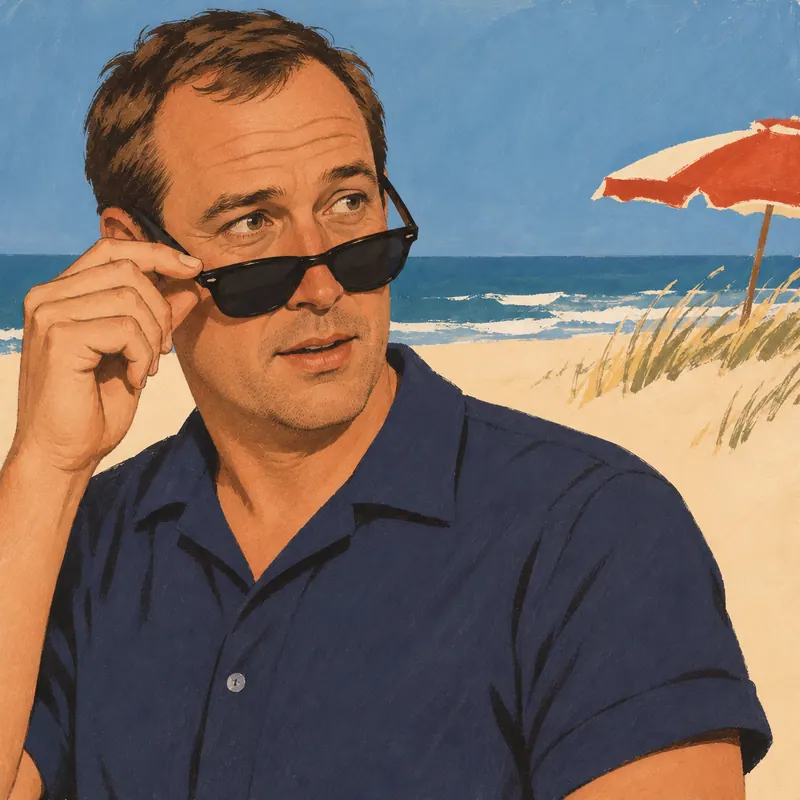
Then a thought shows up, calm and reasonable: Just a quick look. Just to see. It's been so long, one won't hurt.
It sounds harmless. It is the most dangerous sentence in this whole struggle.
What one look actually does
Think back to the last relapse. Did it start with a full binge? Or did it start with one thing? A thumbnail. A scroll that lingered. A search you told yourself was curiosity.
For most men, it starts small. Matt Dobschuetz makes the case on Porn Free Radio that 90% of relapses are predictable, and the small first step is usually the most predictable part.
One look does not scratch an itch. It wakes it up. You get a small hit, and the small hit does what small hits do: it asks for another.
The look you thought would settle the craving is the thing that reignites it.
Why the "one" story is a trick
Notice what the "just one" thought assumes. It assumes porn has something you need, and that a small dose would satisfy you.
That is the same lie described in The Itch and the Lie, wearing a disguise. Smaller, more reasonable, easier to agree with.
Nobody wants a little bit of something they have no desire for. The "just one" thought only exists if part of you still believes porn gives you something. That belief is what needs dealing with, not your schedule. It is the same reason the guy in I'm Cutting Back on Bleach sounds absurd.
The glance that isn't porn
This also applies to the gray stuff. The suggestive post. The workout video you do not need. The show you know has that scene. The image search that is technically not explicit.
None of it is the full thing. All of it does the same job. It keeps the door cracked, keeps the novelty-seeking alive, and moves you one step closer.
A man who allows himself the gray stuff is not free. He is just on a longer leash.
Job settled the question at the level of the eyes: I have made a covenant with my eyes; how then could I gaze at a virgin? (Job 31:1). He decided before the first look, not after the tenth. Every Man's Battle built its well-known "bounce the eyes" practice on that same principle.
What to do in the moment
When the "just one" thought shows up, do not argue with it on its terms. Do not negotiate about how small or how quick.
Name it. There it is. That's the trap talking.
Then remember what you know. One look does not satisfy. It does not relieve. It does not stay one. It just restarts the clock on everything you have been getting free of.
Then get up and do something else. Leave the room. Call someone. Put the phone down. The thought loses its power fast once you stop entertaining it. And if an image lingers after you have turned away, Visual Whispers has practical help for that.
Make the first step harder
Since the first step is the dangerous one, put friction there. Tools like Lead Me Not, which requires your accountability partner to approve before protections come off, or Brick, a physical tag that locks chosen apps until you walk over and tap it, are built for exactly the moment when the "quick look" thought feels reasonable.
Not a failure, a choice point
If you have taken the one look before, you are not alone, and you do not need to spiral about it. But next time, see it for what it is: not a small exception, but the first step of the whole thing.
Turning down the first step is far easier than turning down the fifth.
Keep reading
- I'm Cutting Back on Bleach
- Two Dreams and What They Taught Me About Boundaries, Attention, and Recovery
- The Role of Porn-Blocking Software in Addiction Recovery
Sources
- The Easy Peasy Way to Quit Pornography
- Porn Free Radio #340: 90% of Your Relapses Are Predictable
- Every Man's Battle, Stephen Arterburn and Fred Stoeker
- Job 31:1