 WALK IN PURITY
What it is
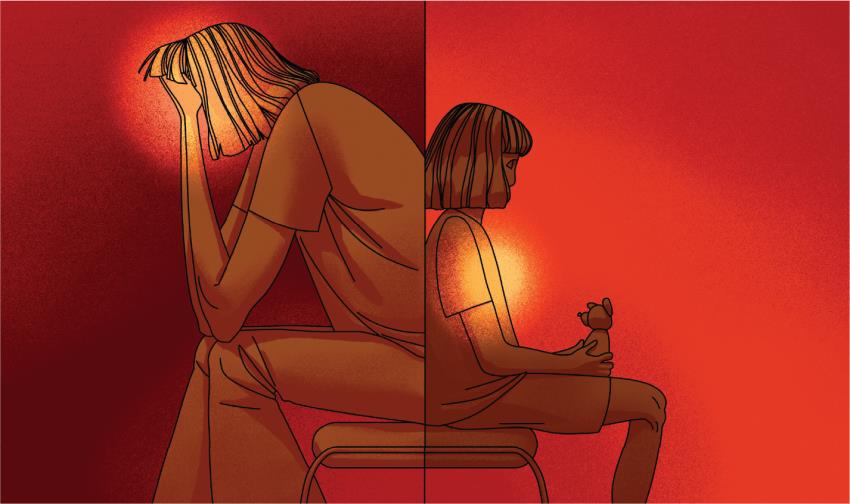
This is a mainstream neurology publication making a point that matters well beyond headaches: adverse childhood experiences leave measurable marks on adult physiology. The research it summarizes found that people with at least one ACE were significantly more likely to develop headaches, and those with four or more were more than twice as likely. The proposed mechanism is dysregulation of the HPA axis — the body's stress-response system — producing increased inflammation and changes in brain structure and function. It notes the same association across stroke, Alzheimer's, multiple sclerosis, seizures and concussion risk, and argues that neurologists should screen for ACE history and refer patients to counseling. In this directory it functions as external, non-religious corroboration for something the recovery literature keeps asserting: childhood trauma is not a metaphor and does not stay in the past. Free, from the American Academy of Neurology.
What it may help with
- I want to understand the science
- I'm healing from sexual abuse or trauma
How to access it
Web article, roughly 1,500–1,800 words None