There is a part of recovery that people do not talk about enough.
You stop the behavior. You confess. You repent. You cut off access. You get support. You pray. You start doing the right things.
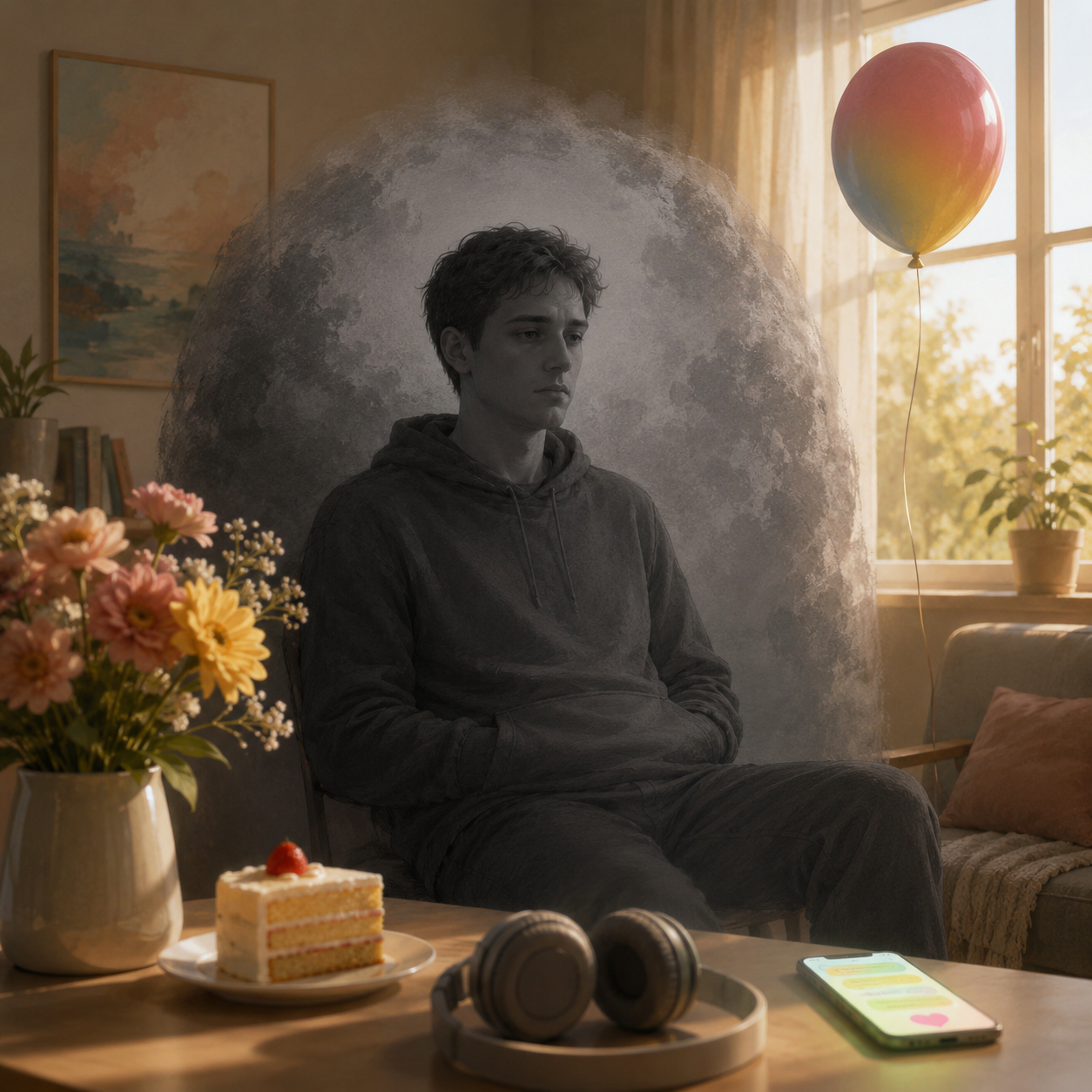
And then, instead of feeling alive, clean, joyful, and free, you feel numb.
You may think, “Why do I feel worse after doing the right thing?”
That numb, flat, low-pleasure feeling may be anhedonia. And for many people in recovery, it can show up during what is often called PAWS, or post-acute withdrawal syndrome.
This does not mean you are broken. It does not mean God is far from you. It does not mean recovery is not working.
It may mean your brain, body, and soul are healing.
What Is Anhedonia?
Anhedonia is the reduced ability to feel pleasure, joy, or interest in things that used to feel good. Cleveland Clinic describes it as feeling numb, bored, empty, or less interested in life’s normal joys. It can affect simple things like music, food, time with people, hobbies, prayer, work, or sex in a healthy marriage. (Cleveland Clinic)
In plain language, anhedonia can feel like this:
“I know this should matter to me, but I do not feel it.”
That can be scary, especially when you are trying to live pure and follow God. You may read the Bible and feel nothing. You may be around family and feel distant. You may do the right thing and feel no reward.
But feeling no reward is not the same as making no progress.
What Is PAWS?
PAWS stands for post-acute withdrawal syndrome. Some clinical sources use the term protracted withdrawal. SAMHSA explains that protracted withdrawal can include symptoms that last, change, or show up after the early withdrawal phase has passed. These symptoms can include anxiety, sleep issues, short-term memory problems, tiredness, trouble focusing, cravings, and reduced ability to feel pleasure. (SAMHSA Library)
The early phase of quitting is often about stopping the behavior.
The next phase is about learning how to live without using that behavior to manage pain, stress, boredom, loneliness, anger, shame, or fear.
That second phase can feel strange because your brain is used to getting fast relief. When that fast relief is removed, normal life can feel dull for a while.
Why Recovery Can Feel Flat at First
Addictive patterns train the brain to expect a high level of reward from a certain behavior, substance, or escape. Over time, normal rewards may feel weaker by comparison.
Research on addiction and anhedonia says anhedonia-like symptoms can appear during active use, withdrawal, protracted withdrawal, and even sustained abstinence. It can also be linked with cravings and relapse risk. (Frontiers)
For someone recovering from pornography, sexual sin, or compulsive sexual behavior, this can be very confusing. The person may think:
“I gave up the sin, but now I feel dead inside.”
But that flat feeling is not proof that purity is empty. It is often proof that the old reward system is being retrained.
Your brain learned a pattern. Now it has to learn a new one.
This Is Not Just About Dopamine
People often say, “My dopamine is messed up.” There may be some truth in that, but recovery is bigger than one brain chemical.
Recovery also touches:
Shame
Stress
Sleep
Identity
Relationships
Spiritual life
Emotional habits
The way you handle pain
The way you receive love
That is why recovery usually takes more than just “not doing it anymore.” It often requires new rhythms, support, truth, confession, healthy habits, and time.
Mayo Clinic notes that treatment for compulsive sexual behavior may include therapy, support groups, help for anxiety or depression, and learning better ways to manage urges and stress. (Mayo Clinic)
Why Anhedonia Can Lead People Back
Anhedonia can be dangerous because it whispers:
“This is not working.”
“You will never feel joy again.”
“God is not helping you.”
“You might as well go back.”
But those are lies.
The old behavior may offer quick relief, but it does not give real life. It takes from your peace, your mind, your marriage, your calling, your body, and your closeness with God.
Recovery may feel slow, but slow healing is still healing.
What Helps?
Here are simple ways to support healing during anhedonia and PAWS:
1. Keep your daily commitments small
Do not wait until you feel strong. Build a simple plan you can follow even when you feel flat.
Read a few verses. Pray honestly. Walk outside. Eat real food. Go to bed. Text your support person. Tell the truth.
Small acts done daily can rebuild trust with yourself.
2. Stop measuring recovery only by feelings
Feelings matter, but they are not the full report.
A better question is not, “Do I feel amazing today?”
A better question is, “Did I choose life today?”
3. Stay connected to safe people
Anhedonia makes isolation feel normal. But isolation feeds relapse.
Even when you do not feel like talking, stay near people who care about your soul.
4. Move your body
Exercise does not fix everything, but it can help your mood, stress, sleep, and energy. Even a short walk can be a way of telling your body, “We are moving toward life.”
5. Be patient with joy
Joy may not come back all at once.
It may return in small ways: a clear morning, a good laugh, a quiet prayer, a song that hits you again, a moment of peace with your spouse, a clean thought, a day without hiding.
Do not despise small signs of life.
6. Get help when needed
If anhedonia feels heavy, long-lasting, or tied to depression, anxiety, trauma, or thoughts of self-harm, get support from a counselor, doctor, pastor, or trusted recovery group.
In the U.S., SAMHSA’s National Helpline is free, private, and available 24/7 at 1-800-662-HELP. If you are in danger or thinking about harming yourself, call or text 988 right away. (SAMHSA)
A Word of Hope
Anhedonia can make you feel like you are doing everything right and getting nothing back.
But healing is not always loud.
Sometimes healing looks like staying clean when you feel nothing. Sometimes it looks like praying with no emotion. Sometimes it looks like choosing honesty when shame tells you to hide. Sometimes it looks like going one more day without returning to what once owned you.
God is not only present when you feel joy.
He is present in the rebuilding.
Your feelings may be flat right now, but your life is not flat. Your obedience matters. Your choices matter. Your future matters.
The joy you are waiting for may come slowly, but it can come back cleaner, deeper, and more real than the false comfort you left behind.
You are not broken beyond repair.
You are healing.
Leave a Reply